


Navigating the complexities of obtaining a visa can be a daunting task, especially when it comes to popular destinations like Vietnam. The Vietnam Visa Rejection Guide: Causes & Solutions aims to equip aspiring travelers with essential knowledge about the potential pitfalls in the visa application process, as well as practical solutions to ensure a successful journey into this vibrant Southeast Asian country.
Table of Contents
Understanding Vietnam Visa Rejection: An Overview

When planning a trip to Vietnam, one of the most critical steps is obtaining the correct visa. Unfortunately, many travelers face challenges along the way, and visa rejections can be a significant roadblock. To understand how to avoid these issues, it’s essential to grasp the overall landscape of Vietnam’s visa system.
The Vietnamese government has developed a structured visa framework that caters to different travel purposes. From tourist visas intended for exploration and leisure to business visas designed for corporate activities, each category has distinct requirements. This diversity in visa types means that applicants must carefully select the appropriate category based on their travel intent.
Moreover, the methods for applying for a Vietnamese visa are varied. You can go through traditional routes, such as embassies or consulates, or opt for modern approaches like electronic visas (e-visas) or visa on arrival (VOA). Each of these channels operates under specific guidelines and might pose unique challenges that could lead to visa rejection if not followed correctly.
With an intricate web of rules and regulations surrounding visa applications, understanding the nuances becomes paramount for anyone wishing to enter Vietnam without complications. This guide will further dissect common causes of rejection and provide actionable solutions to streamline your application process.
Common Causes of Vietnam Visa Rejections: A Detailed Look
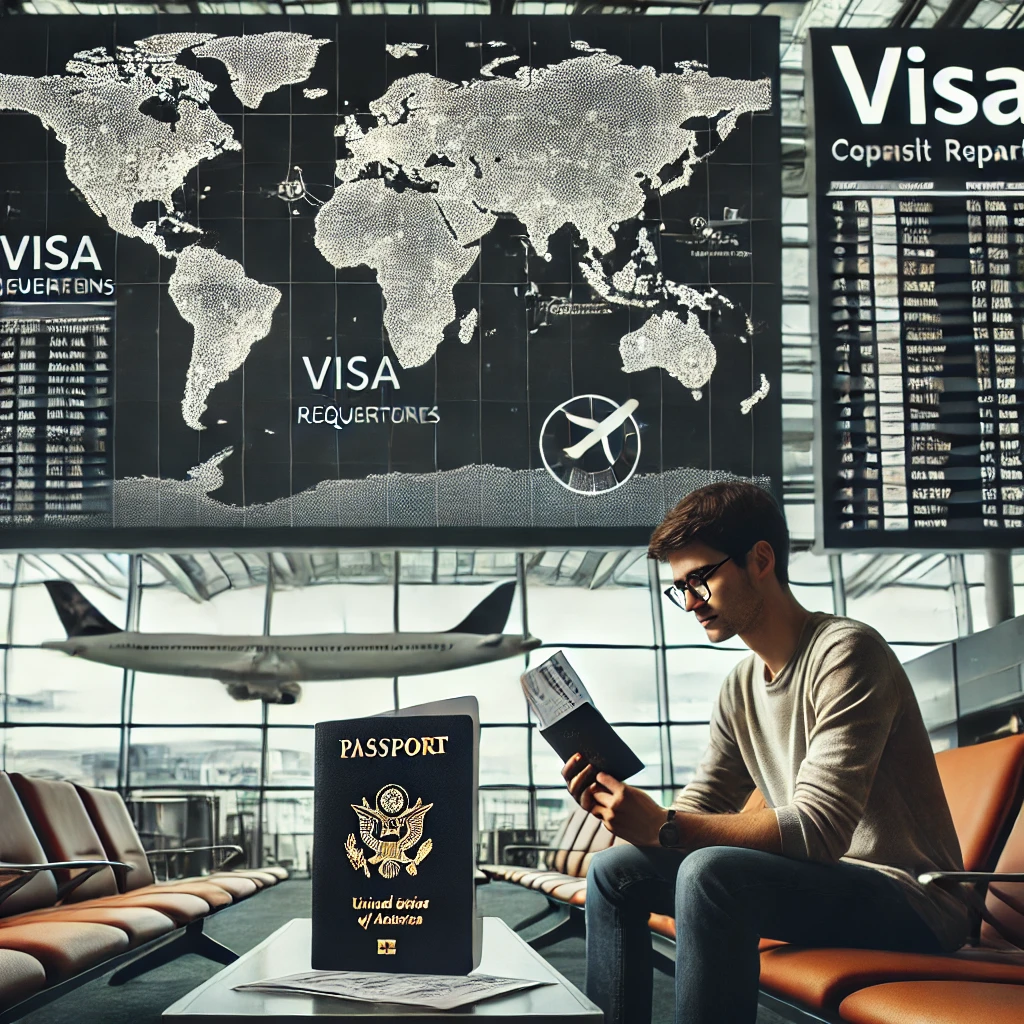
Visa rejections are often the result of oversights or misunderstandings that could have easily been avoided. Delving into the common reasons behind these denials can help prospective travelers take the necessary precautions before submitting their applications.
One primary cause of visa rejection is providing incomplete or incorrect information on the application form. For instance, errors in personal details such as your name, date of birth, or passport number can all raise red flags. Even minor discrepancies can lead to major consequences.
Another frequent reason for denial pertains to document submission. Missing documents or failing to meet the stipulated criteria for a particular visa type can also result in an automatic rejection. Each visa category has its own set of required documentation, which must be adhered to stringently.
Additionally, issues related to your passport itself can be detrimental. Whether it’s an insufficient validity period, visible damage, or a lack of blank pages, any problem with your passport can jeopardize your chances of obtaining a visa. Understanding these common pitfalls is crucial in ensuring that your application stands the best chance of success.
Incomplete or Incorrect Application Information
Providing accurate and complete information in your visa application is non-negotiable. It’s easy to overlook this step, but doing so can prove costly.
Submitting an application with typos or discrepancies in basic personal information often leads to immediate denial. For example, if your application states a different name than what appears in your passport, it raises concerns about identity verification. Therefore, you should double-check every detail before submission.
Missing required documents can be another significant issue. Each visa type has a checklist that specifies the necessary paperwork. Failing to include even one document, such as proof of accommodation or onward travel, can lead to instant rejection. Thus, it’s wise to review this list meticulously and compile all needed documents ahead of time.
Lastly, make sure that all information across your documents is consistent. Discrepancies can raise suspicion and may lead to questions about your credibility. For instance, if your stated entry date doesn’t align with your flight itinerary, it may lead authorities to question your intent.
Passport Issues: Key Reasons for Visa Denials
Your passport is the doorway to international travel, and any issues with it can severely impact your visa application.
The most common concern is the validity of your passport. Vietnamese authorities require that your passport be valid for at least six months beyond your intended stay. If there’s any indication that your passport may expire during your planned visit, your application is likely to be denied. Planning ahead by renewing your passport before applying can save you from this hassle.
Another common pitfall involves damaged or altered passports. Even slight wear and tear can render your passport invalid in the eyes of immigration officials. If your passport shows signs of alteration, whether intentional or accidental, it casts doubt on your authenticity as a traveler. Regularly inspecting your passport for damage can prevent such issues from arising unexpectedly.
Lastly, having insufficient blank pages in your passport is another reason for rejection. It’s advisable to ensure that your passport has enough space for visa stamps and entry/exit stamps. If you’re a frequent traveler, applying for a larger passport can offer peace of mind.
Financial Instability or Lack of Proof of Funds
Vietnamese authorities are keen on ensuring that arriving visitors possess the financial means to support themselves throughout their stay.
Demonstrating financial stability is essential for visa approval. Authorities want assurance that you won’t overstay your visa or engage in illegal work. When applying, you’ll need to show proof of funds—bank statements or pay stubs are commonly accepted forms of documentation.
Failure to provide adequate proof of financial status can lead to immediate rejection. If your bank statement shows little to no activity, or if you can’t demonstrate a stable income, red flags will arise in the eyes of visa officers.
To mitigate these risks, ensure that you gather clear copies of your financial records that clearly illustrate your ability to fund your trip. Be prepared to explain any inconsistencies or gaps in your financial history, as this can further solidify your application’s legitimacy.
Vietnamese Visa Application Errors: Preventing Rejection Through Accuracy
Errors during the visa application process can lead to unnecessary delays and rejections. As such, understanding how to prevent these mistakes is crucial in securing your travel plans.
Ensure that you’re fully familiar with the specific requirements for the type of visa you’re applying for. Each category has unique stipulations regarding documentation, eligibility, and procedures. Not adhering to these standards can result in automatic disqualification.
Also, make use of technology by utilizing online resources and tools designed to assist with visa applications. Services that check your application against official requirements can help catch errors that you might overlook.
Finally, don’t hesitate to seek professional assistance if you find yourself overwhelmed. Consulting with a reputable travel agency or immigration expert can provide valuable insights and help streamline your application process.
Thoroughly Review Required Documents
Before submitting your application, it’s vital to conduct a thorough review of all required documents. Each visa type mandates specific paperwork, and omitting even one can result in denial.
Start by creating a detailed checklist based on the requirements outlined by the Vietnamese embassy or consulate. Cross-reference this list with your collected documents to ensure that everything needed is accounted for.
Additionally, implementing a systematic approach to document organization can help minimize the risk of misplacement or omission. Organizing your paperwork in folders by category—such as identification, financial proof, and travel itineraries—can make it easier to confirm that you have everything.
Utilize Online Resources for Accuracy Checks
The digital age has made it easier than ever to access information regarding visa applications. Various online platforms provide comprehensive guides on applying for Vietnamese visas, including specific dos and don’ts.
These resources can serve as invaluable tools, offering insights that might not be readily available elsewhere. Some websites feature forums where previous applicants share their experiences, helping you understand what works—and what doesn’t.
Using these resources can also alert you to common mistakes that others have made, enabling you to circumvent similar pitfalls. By leveraging technology and collective wisdom, you can significantly enhance the accuracy of your application.
Seek Professional Assistance When Needed
If navigating the visa application maze feels overwhelming, consider enlisting the help of professionals. Immigration consultants and reputable travel agencies can provide significant value when preparing your application.
These experts can guide you through the entire process, ensuring that you assemble the correct documentation and adhere to all requirements. Their expertise can help identify potential issues before they escalate into serious problems.
Ultimately, investing in professional assistance is a strategy worth considering, especially for those applying for business visas or complicated cases that may require additional scrutiny.
Solutions and Appeals: Navigating a Vietnam Visa Rejection
Encountering a visa rejection can be disheartening, yet it’s important to know that all is not lost. There are proactive measures you can take to appeal a denial or correct the issues that led to rejection.
Understanding the reasons behind the initial rejection is the first step toward finding a resolution. Each visa denial letter typically outlines the specific grounds for rejection. Use this information to guide your next move.
You may have the option to appeal the decision, which involves submitting additional documentation or clarifications to address the issues raised. Alternatively, rectifying the inaccuracies in your original application and reapplying can also be effective.
Understanding Your Denial Letter
Once you receive a visa denial letter, take the time to read it thoroughly. The letter usually contains critical information about why your application was rejected, providing guidance on how best to proceed.
Look for explicit reasons cited in the letter—whether it pertains to incomplete documents, financial instability, or any other concerns. Understanding these points allows you to target your response effectively and increase your chances of a successful appeal or a new application.
Gathering Additional Documentation for Appeal
If you choose to appeal the decision, you’ll likely need to submit additional documentation. This might include clarifications on previously submitted materials or new evidence that strengthens your case.
For instance, if your initial application was denied due to insufficient proof of funds, consider providing more comprehensive bank statements or additional financial guarantees. This demonstrates your commitment to addressing the concerns raised by authorities.
Presenting a well-organized packet of supporting documents can make a strong impression. Ensure that everything is documented clearly and concisely while addressing the specific issues highlighted in your denial letter.
Reapplying After Addressing Issues
In some instances, it may be more beneficial to rectify the issues identified in your visa rejection and submit a fresh application rather than appealing. This option provides an opportunity to correct mistakes without the baggage of past denial.
Make sure you address all concerns from the initial application before reapplying. Carefully review the application process again, ensuring that all required documents are included, and that you’ve addressed any previous mistakes.
By taking this approach, you not only demonstrate your willingness to comply with visa requirements but also increase your chances of receiving a favorable outcome.
Avoiding Future Rejections: Best Practices for Vietnam Visa Applications
Learning from past experiences is key to avoiding future visa rejections. Implementing best practices can enhance your application process and improve your chances of success.
First and foremost, start the application process early. Rushing through the preparation often leads to careless mistakes and omissions. Allow yourself ample time to gather all necessary documents, review them carefully, and submit your application.
Additionally, maintain open lines of communication with the Vietnamese embassy or consulate. Don’t hesitate to reach out for clarification on any point of confusion; doing so can alleviate uncertainty and set you up for success.
Lastly, consider keeping detailed personal records of your visa application attempts. Documenting what worked and what didn’t will serve as a valuable reference for future trips.
Start the Application Process Early
Time is your ally when it comes to visa applications. If you start the process well in advance of your intended travel dates, you’ll be better positioned to avoid mistakes and security checks that occur last minute.
Early preparation allows you to gather documents gradually rather than scrambling at the last moment. You’ll also have the flexibility to address any issues that arise, whether it’s sourcing additional documentation or resolving unexpected hurdles.
Being proactive in your approach demonstrates diligence and sets the foundation for a successful application process.
Communicating with Vietnamese Authorities
Maintaining direct communication with Vietnamese officials can offer clarity in your application process. If you have questions about specific requirements or need guidance on documentation, reaching out before submitting your application can help avoid errors.
Embassies and consulates typically have contact information available on their websites, along with FAQs that can assist in answering common queries. Do not shy away from using these resources—after all, the goal is to present a compelling application.
Keeping Records of Visa Application Attempts
Documenting your past visa application experiences offers tangible benefits for future endeavors. Create a folder or digital archive that chronicles your previous attempts, noting what went wrong and what strategies yielded success.
This record will serve as a personalized guide for subsequent applications, helping you remember the nuances of each process while avoiding previously encountered pitfalls. Having an organized reference ensures that you’re constantly learning and improving your approach.
Alternative Travel Options After a Vietnam Visa Rejection
Experiencing a visa rejection does not necessarily spell the end to your travel dreams in Vietnam. There are alternative avenues you can explore that may still allow you to visit the country.
Consider options like applying for a different type of visa altogether, or exploring nearby countries that do not have stringent visa requirements. Depending on your nationality, some neighboring countries may offer simplified entry processes or visa-free entry.
Another viable solution is to reconsider your travel itinerary to incorporate regions or destinations that are more accessible. Sometimes, being flexible with your travel plans opens up new doors.
Exploring Different Types of Visas
If your initial visa application was rejected, consider exploring other visa categories that may have less stringent requirements. For example, if you initially applied for a business visa, but faced rejection, you might look into applying for a tourist visa instead.
Each visa type has unique prerequisites, and you might find that another category aligns better with your profile. Researching these alternatives will enable you to capitalize on opportunities that might have otherwise gone unnoticed.
Traveling to Neighboring Countries
If visiting Vietnam proves challenging after a visa rejection, consider traveling to nearby countries that provide easier access. Countries like Thailand, Cambodia, or Laos may offer exciting alternatives and rich cultural experiences without the complex visa hurdles you faced with Vietnam.
Traveling within Southeast Asia can provide you with unique experiences, allowing you to immerse yourself in diverse cultures and landscapes. Keep an eye out for regional visa agreements that might facilitate smoother entry.
Flexibility in Travel Plans
Being flexible with your travel plans can lead to unexpected adventures. If your heart is set on visiting Vietnam but you encounter obstacles, consider adjusting your itinerary to explore other regions.
Taking a detour to nearby locations may broaden your horizons, giving you a chance to experience different cultures and lifestyles. Plus, this adaptability might eventually lead you back to Vietnam once you secure the appropriate visa.
Conclusion
Navigating the complexities of the Vietnamese visa application process requires vigilance, attention to detail, and a solid understanding of the common pitfalls that can lead to rejection. The Vietnam Visa Rejection Guide: Causes & Solutions serves as a valuable resource for travelers looking to optimize their applications and reduce the likelihood of encountering setbacks.
By understanding the landscape of Vietnam’s visa system, identifying common causes of rejection, and implementing best practices, you can bolster your chances of obtaining a successful visa. Should a rejection occur, knowing how to approach appeals and alternative travel options can keep your travel aspirations alive.
Armed with the insights provided here, you can embark on your journey to Vietnam with confidence, ensuring that all necessary preparations are in place for a smooth and enjoyable experience.
VisaOnlineVietnam – The Fastest and Most Reliable Vietnam Visa Service
Are you planning a trip to Vietnam and need a visa? VisaOnlineVietnam is your trusted partner, providing fast, reliable, and professional visa services for travelers worldwide.
Why Choose VisaOnlineVietnam?
✅ Over 20 Years of Experience – We have helped more than 5 million clients successfully obtain their Vietnam visas.
✅ 100% Visa Guarantee – We ensure a 100% success rate with approvals from the Vietnam Immigration Department.
✅ Fast Processing – Choose from Normal (3-5 working days), Urgent (2-3 working days), or Emergency (30 minutes – 1 hour) processing options.
✅ 24/7 Support – Our team is available anytime to assist you with your visa application.
✅ Simple Transparent Process – No hidden fees, no complications—just a smooth application process.
Our Visa Services:
🛂 Vietnam Tourist Visa – Ideal for travelers exploring Vietnam.
💼 Vietnam Business Visa – Suitable for professionals and entrepreneurs.
⚡ Urgent Emergency Visa – Get your visa approved in as little as 30 minutes!
✈️ Visa on Arrival – Hassle-free visa approval letter before your flight.
🌎 E-Visa Services – Convenient online visa application for eligible nationalities.
How to Apply?
1️⃣ Fill out the online application at VisaOnlineVietnam.com.
2️⃣ Make a secure payment using various payment methods.
3️⃣ Receive your visa approval letter via email.
4️⃣ Get your visa stamped upon arrival in Vietnam.
With VisaOnlineVietnam, getting a Vietnam visa has never been easier! Contact us today:
📧 Email: sales@visaonlinevietnam.com
📲 WhatsApp: (+84) 968 18 77 18
📞 USA Hotline: +1(972)-666-0676
🌐 Website: VisaOnlineVietnam.com
Let us handle your visa while you focus on enjoying your journey! 🚀


