


Embarking on a journey through Vietnam is an experience that transcends mere travel; it immerses you in a rich tapestry of culture, history, and breathtaking landscapes. In this comprehensive Vietnam Travel Guide: Best Time of Year to Go, we will explore how the unique climate variations across the regions shape your adventure. Whether you’re seeking the vibrant life of its bustling cities or the tranquil beauty of its countryside, knowing when to visit is essential for making the most of your trip.
Table of Contents
Introduction to Vietnam Travel: Planning Your Trip

Planning a trip to Vietnam can be both exciting and overwhelming. With its diverse geography and rich cultural heritage, travelers often find themselves wondering when the best time to visit might be. Given the country’s unique climate zones, understanding the seasonal variations is crucial for any traveler wishing to experience everything this stunning nation has to offer.
A significant aspect of planning your trip involves not only selecting the right time but also aligning your itinerary with the activities and experiences that appeal to you. From the emerald rice paddies in the north to the sun-kissed beaches down south, Vietnam promises a medley of adventures, cuisines, and historical landmarks. The following sections will delve deeper into the climatic conditions of different regions, providing you with insights about when to go so you can make the most informed decision for your travels.
Geography and Culture: The Heart of Vietnam
Before diving into the specifics of the best travel seasons, it’s important to appreciate the geographic diversity that influences Vietnam’s climate. Stretching from the northern mountains to the southern deltas, this S-shaped country offers a plethora of experiences. Each region boasts its own distinct cultural practices, culinary delights, and even weather patterns, making Vietnam a treasure trove for travelers who enjoy variety.
The influence of geography on Vietnamese culture cannot be overstated. The northern areas, such as Hanoi and Sapa, are known for their ethnic minorities and terraced rice fields, while central Vietnam features historical sites like Hue and charming towns like Hoi An, blending tradition with coastal beauty. The southern region, led by the bustling Ho Chi Minh City and the enchanting Mekong Delta, showcases a lively atmosphere filled with street food, markets, and vibrant nightlife.
Understanding these regional disparities is key to picking not just a time of year to visit, but also the experiences you want to immerse yourself in.
Key Considerations for Timing Your Trip
Vietnam’s climate can be unpredictable, so being aware of the general trends will help you avoid unpleasant surprises. Factors such as rainfall, temperature fluctuations, humidity levels, and potential natural disasters like typhoons can all impact your travel plans. During certain months, specific regions may be prone to flooding or extreme temperatures, which could limit your ability to fully enjoy your planned activities.
When evaluating the best time to visit, consider your personal preferences regarding weather conditions. Some travelers thrive in warm climates, while others prefer cooler temperatures for outdoor excursions. Additionally, if you’re interested in attending local festivals or participating in traditional events, timing becomes even more crucial. This guide aims to navigate you through these complexities, ensuring that your experience in Vietnam is nothing short of magical.
Understanding Vietnam’s Diverse Climate Zones
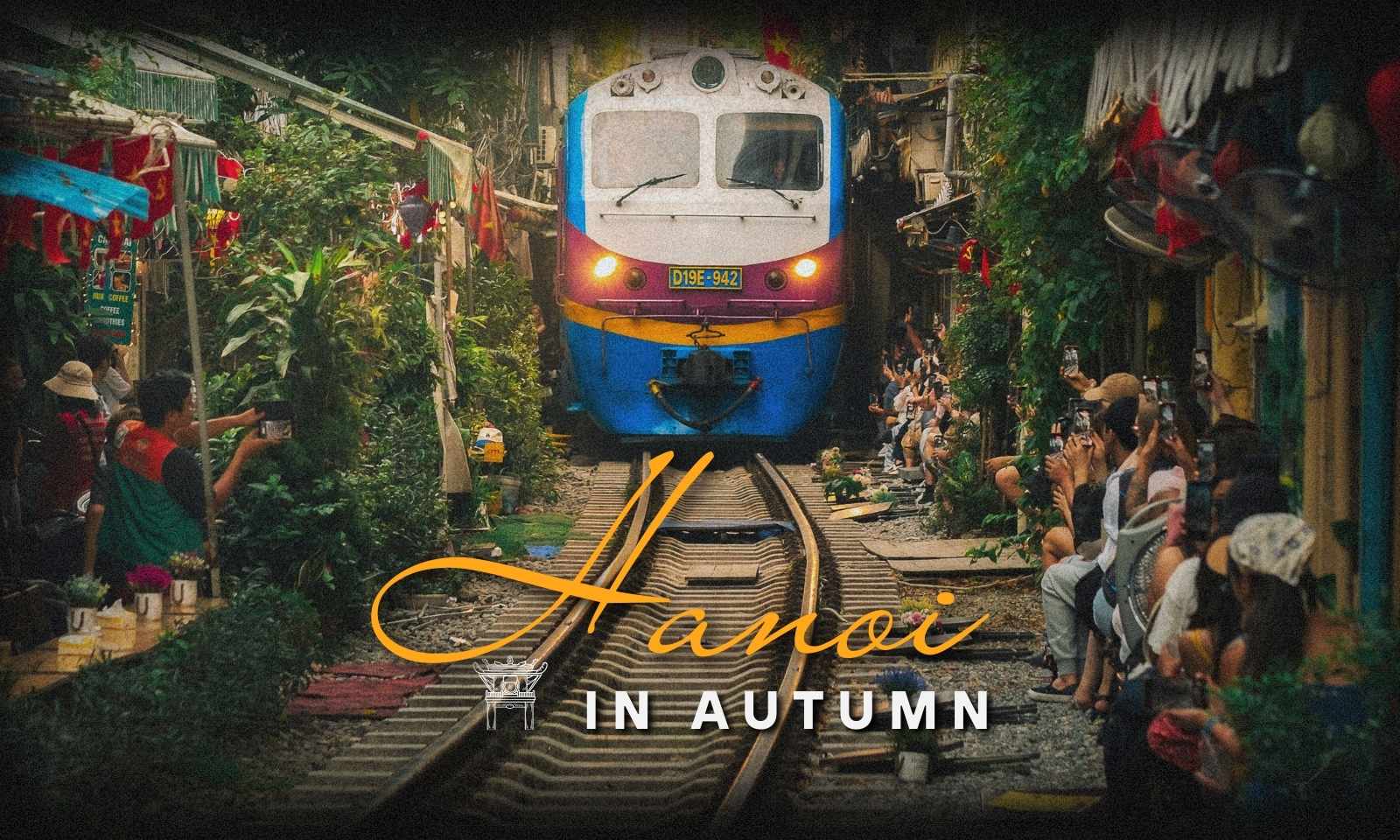
Vietnam’s climate can be broadly categorized as tropical monsoon, but there’s much more beneath the surface. Each region—northern, central, and southern—displays unique weather patterns that can significantly affect your travel experience. By understanding these climate zones, you can plan your itinerary around the best times for various activities and attractions.
Northern Vietnam: Four Distinct Seasons
Northern Vietnam, comprising cities like Hanoi, Sapa, and Ha Long Bay, experiences four distinct seasons. Each season brings its own charm and challenges, making it essential for travelers to choose their travel dates wisely.
The winter months from November to April are cool and dry in the lowlands, though temperatures can plummet in mountainous areas. This period is ideal for trekking and sightseeing, although you should prepare for cold nights in places like Sapa. Spring (March-April) gradually warms up, painting the landscape in vibrant colors and offering a fantastic backdrop for outdoor activities.
On the other hand, summer (May to October) can be hot and humid, accompanied by heavy rains and the risk of typhoons. Although this season might seem less favorable for travel, the lush greenery and vibrant landscapes provide a dramatic contrast that many adventurers find irresistible.
Central Vietnam: A Blend of Sun and Rain
Central Vietnam features cities like Hue, Da Nang, and Hoi An, each with its own climatic nuances. Generally, the dry season lasts from February to May, marking the best time to visit this region. Sunny skies, warm temperatures, and relatively low humidity create perfect conditions for beach outings and exploration of historical sites.
However, as the monsoon season sets in from September to January, you can expect torrential rains and possible flooding. Traveling during these months may present challenges, especially if you plan to explore coastal areas or engage in outdoor activities.
Southern Vietnam: Tropical Paradise
In Southern Vietnam, including Ho Chi Minh City and the Mekong Delta, the climate is consistently tropical, with two main seasons: a dry season from November to April and a wet season from May to October. The dry season provides excellent opportunities for beach relaxation and city exploration, characterized by sunny days and pleasant evenings.
While the wet season may deter some travelers due to heavy downpours, it’s worth noting that rain typically arrives in short bursts, leaving ample time for enjoyment in between. Many travelers actually prefer visiting during this time, as they can secure better deals on accommodations and transportation.
The Best Time to Visit Specific Regions of Vietnam

With an understanding of Vietnam’s diverse climate zones, let’s break down the best times to visit specific regions.
Northern Vietnam: Embrace the Cool Dry Season
If you’re drawn to the majestic landscapes of Northern Vietnam, the months between November and April are your best bet. This period provides mild temperatures and clear skies, ideal for sightseeing and trekking in places like Ha Long Bay and Sapa.
Hanoi:
Visiting Hanoi during March-April or October-November offers crisp air and minimal rainfall, perfect for exploring the city’s rich history and vibrant street life. You can enjoy a leisurely stroll through the Old Quarter, visit iconic landmarks like Hoan Kiem Lake, and indulge in delicious street food without the discomfort of sweltering heat.
Ha Long Bay:
Although fog can sometimes obscure views in winter, cruising Ha Long Bay between November and April still presents stunning experiences. The calm waters and breathtaking limestone formations create postcard-perfect scenery that remains etched in your memory.
Sapa:
For trekkers and nature enthusiasts, March-May and September-November are the prime months to visit Sapa. During this time, the rice terraces are lush and ready for harvesting, offering unparalleled views and photo opportunities. Be prepared for colder temperatures in winter, as well as the potential for landslides during heavy summer rains.
Central Vietnam: Ideal Conditions for Cultural Exploration
For those aiming to soak up Central Vietnam’s rich history and beautiful coastlines, the dry season from February to May is recommended.
Hue:
From February to May, the weather in Hue is pleasant, allowing you to comfortably explore the UNESCO-listed Imperial City. Breathe in the fragrant aromas of local cuisine and venture out to discover the surrounding tombs and temples steeped in history.
Da Nang:
This coastal city thrives during the dry season, making it an excellent time for beachgoers and adventure seekers alike. Clear skies are perfect for enjoying the sandy shores of My Khe Beach or hiking the Marble Mountains.
Hoi An:
Known for its charming lantern-lit streets, Hoi An welcomes visitors with open arms from February to May. This bustling town offers countless opportunities for cycling, shop-hopping, and indulging in the local flavors. Don’t miss the chance to sample Hoi An’s famous Cao Lau noodles during this idyllic time.
Southern Vietnam: Sunshine and Serenity Await
Southern Vietnam, with its tropical climate, invites travelers to revel in its glorious dry season from November to April.
Ho Chi Minh City:
December to April is considered the best time to explore this vibrant metropolis. The weather is comfortable for wandering the bustling streets, savoring incredible street foods, and visiting historical sites like the War Remnants Museum and Cu Chi Tunnels.
Mekong Delta:
The dry season is also optimal for venturing into the Mekong Delta, where you can take boat rides through lush canals, experience local farm life, and sample fresh fruits from the orchards. The region’s unique ecology and laid-back pace provide a refreshing contrast to the urban hustle.
Phu Quoc:
Beach lovers will find paradise in Phu Quoc between December and April, when the weather is ideal for sunbathing and water sports. The island’s pristine beaches and vibrant coral reefs offer endless opportunities for exploration and relaxation.
Seasonal Events and Festivals to Consider When Planning
Timing your visit to coincide with Vietnam’s seasonal events and festivals can enhance your travel experience in unforgettable ways. These celebrations reflect the nation’s cultural richness and provide insight into local traditions.
Lunar New Year Celebrations
One of the most significant national holidays is Tet, the Vietnamese Lunar New Year, generally celebrated in late January or early February. This festive occasion sees families come together to honor their ancestors and welcome the new year with feasts, fireworks, and street parades.
Traveling during Tet provides a unique glimpse into Vietnam’s cultural ethos, but it’s important to note that many businesses close during this time, and transport can become overcrowded. However, if you can embrace the vibrant atmosphere, experiencing Tet in Vietnam is an opportunity you won’t want to miss.
Mid-Autumn Festival
Held in September, the Mid-Autumn Festival is a delightful celebration primarily dedicated to children. Colorful lanterns light up the streets, and families gather to enjoy mooncakes and participate in traditional games. Major cities like Hanoi and Ho Chi Minh City host large public events featuring performances and parades.
This festival provides a lovely window into Vietnamese culture, and you’ll find many local markets bustling with activity as people prepare for the festivities.
Hoi An Lantern Festival
Every full moon, the ancient town of Hoi An transforms into a mesmerizing spectacle during the Lantern Festival. This enchanting event allows visitors to witness the streets illuminated by handmade lanterns, creating an ethereal ambiance. Local artisans showcase their crafts while street food vendors serve delicacies under the glow of lanterns.
If you find yourself in Hoi An during this time, be sure to participate in the festival’s charm. The night-time beauty of the town is simply unmatched, making it a memorable experience.
Budgeting for Your Vietnam Trip Based on Season
As you plan your journey, budgeting becomes a vital component of your travel preparations. The cost of traveling in Vietnam can vary significantly based on the season, local events, and demand for accommodations and services.
Low vs. High Seasons
Traveling during peak seasons, such as Tet and the dry months of December to February, can lead to higher prices for flights, accommodations, and tours. Booking well in advance is advisable during these times to secure the best rates and avoid disappointment.
Conversely, traveling during the rainy season or shoulder periods (like late January/early February and late May) usually offers lower prices. You’ll find competitive rates for hotels and flights, and there may be fewer crowds at popular tourist spots. However, keep in mind that some attractions may have limited hours or may be affected by adverse weather conditions.
Practical Cost-Saving Tips
To optimize your budget, consider the following tips:
- Book flights and accommodations in advance, especially during peak seasons.
- Opt for local eateries instead of touristy restaurants to enjoy authentic Vietnamese cuisine at lower prices.
- Utilize public transportation for getting around, as it is generally inexpensive and offers a more immersive experience.
- Look for free walking tours to explore major cities and learn about their history and culture without breaking the bank.
Being strategic about your travel choices can help stretch your budget while still enjoying the diverse offerings of Vietnam.
Practical Tips for Traveling in Vietnam During Different Seasons
Each season in Vietnam presents unique challenges and rewards. Here are practical tips to ensure your travels run smoothly, no matter when you decide to visit.
Packing Smartly for Different Climates
When traveling through various regions, packing accordingly is essential. For Northern Vietnam during winter, bring layers, including warm clothing, as temperatures can drop significantly. In contrast, if you’re heading to Southern Vietnam during the dry season, lightweight, breathable clothing is ideal.
Don’t forget essentials like a good pair of walking shoes for exploring bustling cities and scenic terrains. If you plan on trekking in Sapa or similar areas, waterproof footwear and a sturdy backpack can enhance your experience.
Embracing Local Transportation
Navigating Vietnam is relatively easy, thanks to its extensive transportation network. Buses, trains, and domestic flights connect major cities and destinations.
- Buses are an affordable option for long-distance travel, particularly popular among backpackers.
- Trains provide scenic journeys, especially along the coastline; however, booking to secure seats is advisable during peak seasons.
- Motorbike rentals are common for local exploration, especially in cities like Hoi An and Da Nang, offering freedom and convenience. Ensure you have a valid international driver’s license and consider safety gear.
Staying Connected and Informed
Staying connected while traveling will ease your journey immensely. Purchasing a local SIM card upon arrival ensures you have access to maps, translation apps, and communication tools.
Moreover, keeping abreast of local weather forecasts allows you to adapt your plans accordingly. Sudden changes in weather, especially during the rainy season, can affect travel routes and outdoor activities.
Conclusion
In wrapping up this detailed Vietnam Travel Guide: Best Time of Year to Go, it is clear that the enchanting country of Vietnam offers travelers an abundance of options throughout the year. Whether you seek the cool and dry climates of the north, the sun-drenched beaches of the south, or the historical treasures of central Vietnam, understanding when to visit allows you to tailor your experience to suit your desires.
By carefully considering the regional climates, seasonal events, and your budget, you can craft an unforgettable adventure that takes you through the heart of Vietnam’s mesmerizing landscapes and rich cultural heritage. As you embark on your journey, remember to immerse yourself in the local customs, savor the delectable cuisine, and cherish the moments spent with warm-hearted locals. Your Vietnamese adventure awaits!
VisaOnlineVietnam – The Fastest and Most Reliable Vietnam Visa Service
Are you planning a trip to Vietnam and need a visa? VisaOnlineVietnam is your trusted partner, providing fast, reliable, and professional visa services for travelers worldwide.
Why Choose VisaOnlineVietnam?
✅ Over 20 Years of Experience – We have helped more than 5 million clients successfully obtain their Vietnam visas.
✅ 100% Visa Guarantee – We ensure a 100% success rate with approvals from the Vietnam Immigration Department.
✅ Fast Processing – Choose from Normal (3-5 working days), Urgent (2-3 working days), or Emergency (30 minutes – 1 hour) processing options.
✅ 24/7 Support – Our team is available anytime to assist you with your visa application.
✅ Simple Transparent Process – No hidden fees, no complications—just a smooth application process.
Our Visa Services:
🛂 Vietnam Tourist Visa – Ideal for travelers exploring Vietnam.
💼 Vietnam Business Visa – Suitable for professionals and entrepreneurs.
⚡ Urgent Emergency Visa – Get your visa approved in as little as 30 minutes!
✈️ Visa on Arrival – Hassle-free visa approval letter before your flight.
🌎 E-Visa Services – Convenient online visa application for eligible nationalities.
How to Apply?
1️⃣ Fill out the online application at VisaOnlineVietnam.com.
2️⃣ Make a secure payment using various payment methods.
3️⃣ Receive your visa approval letter via email.
4️⃣ Get your visa stamped upon arrival in Vietnam.
With VisaOnlineVietnam, getting a Vietnam visa has never been easier! Contact us today:
📧 Email: sales@visaonlinevietnam.com
📲 WhatsApp: (+84) 968 18 77 18
📞 USA Hotline: +1(972)-666-0676
🌐 Website: VisaOnlineVietnam.com
Let us handle your visa while you focus on enjoying your journey! 🚀


