


If you are planning a trip to Vietnam or considering a longer stay, understanding the implications of overstaying your visa is crucial. Overstaying in Vietnam? Penalties & How to Avoid Them is not just a matter of legal compliance; it can significantly affect your travel plans and future visits. This comprehensive guide will navigate through the intricacies of Vietnam’s visa regulations, the penalties associated with overstaying, and preventive measures.
Table of Contents
Understanding Vietnam’s Visa Regulations and Overstaying Laws

Before delving into the complications involved with overstaying a visa in Vietnam, it’s essential to familiarize yourself with the country’s visa regulations. Vietnam has a structured visa system designed to cater to various purposes of entry, including tourism, business, education, work, and investment.
The Types of Visas Available
Vietnam offers several types of visas:
- Tourist Visa (DL):
Primarily for travelers wanting to explore the beautiful landscapes and rich culture of Vietnam. Typically valid for either 30 or 90 days, these visas can be single-entry or multiple-entry. A single-entry visa allows you to enter Vietnam once, while a multiple-entry visa permits you to exit and re-enter during its validity. - Business Visa (DN):
For professionals entering Vietnam for work-related activities such as conferences, meetings, or market research. These visas can vary in duration from 30 days to a year, depending on several factors like the applicant’s nationality and supporting documents submitted. - Student Visa (DH):
For those enrolled in educational institutions within Vietnam. The duration aligns with the period of study, making it ideal for long-term educational commitments. - Work Visa (LD):
To legally engage in employment within Vietnam, foreign workers require a work permit along with this visa. Typically valid for up to two years, this visa is renewable under certain conditions. - Investment Visa (DT):
For foreign investors looking to invest in Vietnam. The duration of this visa varies based on the amount and nature of the investment. - E-Visa:
An electronic visa option for citizens of select countries, allowing a stay of up to 30 days for tourism or business purposes.
Understanding these different visa categories helps potential visitors choose the right type for their needs and comply with local laws effectively.
Key Considerations About Visa Validity
One of the most critical aspects of managing your visa status in Vietnam is understanding how visa validity works. The valid until date on a visa signifies the last date you can enter Vietnam, but it does not determine the length of your stay in the country. Your authorized stay is dictated by the entry stamp placed in your passport upon arrival, which may allow for a shorter duration than what your actual visa states.
It’s vital to always check this entry stamp. For instance, if your visa allows you to stay for 90 days but the immigration officer only grants you a 30-day stay, then it is that 30 days you must adhere to. Ignoring this detail could lead to unintentional overstaying.
Options for Visa Extensions
Should you wish to extend your stay in Vietnam beyond the period granted upon entry, it is sometimes possible to apply for a visa extension. Depending on the type of visa you possess, extensions can be processed through reputable visa agencies or immigration offices. However, one should note that extensions are not guaranteed and typically require justification.
While there may be options for extending your stay, travelers should plan ahead and consider their legal circumstances. Factors such as new entry requirements, documentation, and processing times all play a role in determining whether an extension will be granted.
What Constitutes an Overstay in Vietnam?

An overstay occurs when a foreigner remains in Vietnam beyond their legally permitted duration, as specified by their entry stamp or visa expiration. Recognizing what constitutes an overstay is important for both preventing accidental violations and understanding the seriousness of the offense.
Defining Overstay Duration
In Vietnam, the consequences of overstaying depend largely on how long you remain in violation. An overstay is generally classified based on the number of days exceeded:
- Minor Overstay: 1-3 days. This is usually viewed as a minor infraction and results in a relatively low fine.
- Moderate Overstay: 4-7 days. Fines increase and the risk of detention becomes more pronounced.
- Significant Overstay: 8-15 days. At this stage, the severity of penalties escalates, and further complications arise regarding future travels.
- Severe Overstay: 16 days or more. This is treated as a serious offense, resulting in substantial fines, possible detention, and deportation.
The Importance of Staying Informed
With visa policies and regulations frequently changing, staying informed about the rules applicable to your specific nationality and visa type is essential. Many travelers unknowingly overstay due to a lack of understanding of the regulations. Regularly checking for updates from official government sources can save you from unnecessary trouble.
Additionally, consulting with experienced travelers or expats who have successfully navigated the visa landscape in Vietnam can provide practical insights and tips for avoiding pitfalls.
Cultural Perspectives on Overstaying
Cultural perceptions of overstaying can also influence your experience in Vietnam. While some locals may express understanding toward foreigners who inadvertently overstay, many view immigration law violations as serious matters. Thus, respecting the norms and laws of the country contributes to a positive relationship with the Vietnamese people.
Penalties for Overstaying a Vietnamese Visa: Fines, Detention, and Deportation
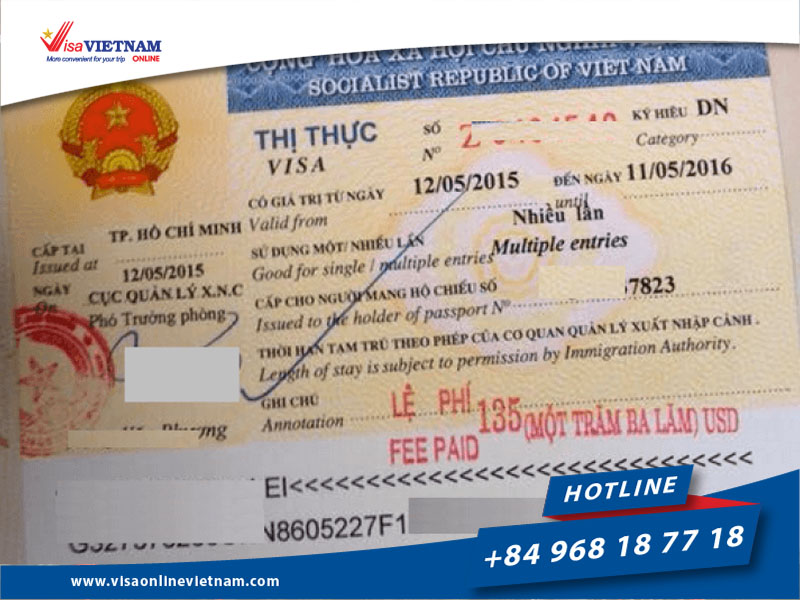
Overstaying a visa in Vietnam can have significant legal repercussions. Understanding the penalties is crucial for any foreign traveler seeking to abide by local laws and maintain a positive travel experience.
Financial Penalties for Overstaying
The fines for overstaying range widely based on the duration of the overstay. Here is a breakdown:
- Minor Overstay (1-3 days): Expect a fine ranging from VND 500,000 to VND 2,000,000 (approximately USD $20 – $80). This is often treated as a simple administrative error and can usually be resolved quickly.
- Moderate Overstay (4-7 days): Fines start to increase, reaching between VND 2,000,000 and VND 5,000,000 (USD $80 – $200). Along with the financial penalties, detainment becomes a possibility.
- Significant Overstay (8-15 days): At this point, fines escalate further to between VND 5,000,000 and VND 10,000,000 (USD $200 – $400), and detention risks heighten.
- Severe Overstay (16 days or more): Overstaying by this much is considered a serious offense. Fines exceed VND 10,000,000 (USD $400), and authorities are more likely to detain violators and initiate deportation processes.
Detention and Deportation Procedures
In cases involving severe overstays, the likelihood of being detained increases significantly. Being detained means that you will be held pending the resolution of your immigration case, which is often uncomfortable and distressing. Such experiences can be difficult, with conditions varying and few amenities available.
Deportation is the ultimate consequence of severe overstays. It entails being forcibly removed from Vietnam and sent back to your country of origin. The costs associated with deportation, including flights and administrative fees, are typically your responsibility.
Blacklisting and Future Travel Complications
Perhaps one of the most concerning penalties for overstaying is the potential for being blacklisted. If you are blacklisted, you may be prohibited from re-entering Vietnam for a designated timeframe, which can range from a few years to a permanent ban, depending on the extent of your violation.
Moreover, even if you manage to avoid formal blacklisting, your prior overstay could complicate obtaining future visas. Immigration officers may scrutinize your application more closely, and you could face additional barriers in securing approval for subsequent trips.
Common Reasons for Visa Overstays in Vietnam and How to Prevent Them
While some individuals intentionally overstay their visas for various reasons, many others find themselves in violation due to unforeseen circumstances. Understanding common causes of visa overstays can help travelers take proactive steps to prevent them.
Misunderstanding Visa Validity
Many travelers misinterpret the validity of their visa and the duration of their permitted stay. Confusion often arises over the distinction between the “valid until” date on a visa and the actual period of stay granted by immigration officials.
To prevent misunderstanding, ensure you clarify the details of your visa before traveling. When arriving at the immigration checkpoint, double-check the entry stamp for accurate dates and durations.
Unexpected Changes in Plans
Travelers frequently encounter unexpected changes in their itineraries, such as flight cancellations or medical emergencies, which can lead to overstaying. Having a flexible travel plan and remaining adaptable can mitigate stress and reduce the chances of needing to extend your stay unexpectedly.
Consider purchasing travel insurance that includes coverage for trip cancellations or interruptions. This can provide peace of mind and financial protection in the event of unforeseen circumstances.
Procrastination and Poor Planning
Some individuals simply procrastinate when it comes to renewing or extending their visas. It’s easy to put off tasks in the hustle of daily life, but failing to address visa issues promptly can lead to unwelcome surprises.
To avoid procrastination, set reminders well in advance of your visa’s expiration date. Proactive management of your visa status ensures that you won’t be caught off guard as your deadline approaches.
Steps to Take if You Have Overstayed Your Vietnamese Visa
If you find yourself facing an overstay situation, knowing the appropriate steps to take is crucial. Remaining calm and addressing the issue head-on can make a significant difference in minimizing penalties.
Assess Your Situation
First, assess how long you have overstayed and understand the potential implications of your violation. If the overstay is minimal (1-3 days), you may still have a straightforward path to resolving the issue. However, if you have overstayed significantly, prepare for potential fines and consequences.
Visit the Local Immigration Office
The next step is to visit the nearest immigration office to report your overstay. Transparency is vital in these situations. Approach the officers politely and explain your circumstances honestly. They will appreciate your willingness to rectify the situation.
When visiting the immigration office, bring along relevant documentation, including your passport, visa, and any additional paperwork that may support your explanation or appeal for leniency.
Payment of Fines
Once you have reported your overstay, you will likely be required to pay any incurred fines. Always ask for an official receipt when paying fines, as this serves as proof of payment and will assist in mitigating future complications.
Keep in mind that fines vary based on the duration of your overstay, so be prepared for differing amounts depending on your situation.
Avoiding Overstaying: Proactive Visa Management and Extension Strategies
Taking proactive steps can help minimize the risk of overstaying your visa in Vietnam. By being informed and organized, you can enjoy your time in the country without the looming anxiety of legal repercussions.
Track Your Visa Expiration Dates
Establish a systematic approach for keeping track of visa expiration dates. Make use of digital calendars or apps that remind you of critical deadlines. Setting alerts for one month and one week prior to expiration can prove helpful in ensuring you don’t overlook important timelines.
In addition, create a checklist of necessary documents for extending your visa or applying for a new one. Preparation will facilitate a smoother process when dealing with immigration matters.
Utilize Professional Visa Services
If navigating visa regulations feels overwhelming, consider hiring professional visa services or agencies. These experts are familiar with current laws and can assist with applications, renewals, and extensions.
While there may be fees associated with these services, they can save you time and hassle while ensuring compliance with immigration laws. Additionally, they can help prevent common oversights that lead to overstaying.
Educate Yourself on Visa Rules
As mentioned earlier, visa regulations can change frequently. Stay informed about your visa type’s requirements by regularly checking official government resources. Engaging with online forums or communities of expatriates and travelers can also offer valuable insights and advice based on real-life experiences.
By educating yourself and remaining proactive, you can better manage your visa status and enjoy a trouble-free stay in Vietnam.
Conclusion
Understanding the ramifications of overstaying in Vietnam? Penalties & How to Avoid Them is essential for any foreign traveler. With a variety of visas available and specific regulations governing each, knowledge is power in navigating Vietnam’s immigration landscape.
From comprehending the nuances of visa types and duration to recognizing penalties and taking preventive measures, being informed empowers you to have a fulfilling and responsible experience in Vietnam.
If you do find yourself in a situation of overstaying, remember that transparency, prompt action, and clear communication with local authorities can mitigate penalties. Ultimately, maintaining awareness and planning ahead will ensure you enjoy your time in Vietnam without undue stress related to visa issues.
VisaOnlineVietnam – The Fastest and Most Reliable Vietnam Visa Service
Are you planning a trip to Vietnam and need a visa? VisaOnlineVietnam is your trusted partner, providing fast, reliable, and professional visa services for travelers worldwide.
Why Choose VisaOnlineVietnam?
✅ Over 20 Years of Experience – We have helped more than 5 million clients successfully obtain their Vietnam visas.
✅ 100% Visa Guarantee – We ensure a 100% success rate with approvals from the Vietnam Immigration Department.
✅ Fast Processing – Choose from Normal (3-5 working days), Urgent (2-3 working days), or Emergency (30 minutes – 1 hour) processing options.
✅ 24/7 Support – Our team is available anytime to assist you with your visa application.
✅ Simple Transparent Process – No hidden fees, no complications—just a smooth application process.
Our Visa Services:
🛂 Vietnam Tourist Visa – Ideal for travelers exploring Vietnam.
💼 Vietnam Business Visa – Suitable for professionals and entrepreneurs.
⚡ Urgent Emergency Visa – Get your visa approved in as little as 30 minutes!
✈️ Visa on Arrival – Hassle-free visa approval letter before your flight.
🌎 E-Visa Services – Convenient online visa application for eligible nationalities.
How to Apply?
1️⃣ Fill out the online application at VisaOnlineVietnam.com.
2️⃣ Make a secure payment using various payment methods.
3️⃣ Receive your visa approval letter via email.
4️⃣ Get your visa stamped upon arrival in Vietnam.
With VisaOnlineVietnam, getting a Vietnam visa has never been easier! Contact us today:
📧 Email: sales@visaonlinevietnam.com
📲 WhatsApp: (+84) 968 18 77 18
📞 USA Hotline: +1(972)-666-0676
🌐 Website: VisaOnlineVietnam.com
Let us handle your visa while you focus on enjoying your journey! 🚀


