


Israel, a mesmerizing blend of ancient history and modern innovation, attracts travelers worldwide, including Vietnamese citizens eager to explore its sacred sites, bustling markets, and breathtaking landscapes. How to Get an Israel Visa for Vietnamese Citizens – 2025 Guide is designed to simplify the visa application process, ensuring you meet all requirements and submit a flawless application. Whether you’re planning a pilgrimage, business trip, or academic pursuit, this guide provides step-by-step instructions, expert tips, and the latest updates for a seamless experience.
Table of Contents
Introduction: Navigating the Israel Visa Process for Vietnamese Citizens (2025)

Securing an Israel visa as a Vietnamese citizen requires careful planning and adherence to specific protocols. With evolving entry policies and documentation standards, staying informed is critical to avoid delays or rejections. This section explores the fundamentals of Israel’s visa system, helping you determine the right visa type and prepare effectively for your journey.
Understanding Israel’s Visa Policy for Vietnamese Travelers
Vietnam and Israel do not have a visa-free agreement, meaning Vietnamese passport holders must apply for a visa before departure. The type of visa depends on your travel purpose—tourism, business, education, or employment. Each category has distinct requirements, processing times, and validity periods.
For instance, a Tourist Visa (B/2) allows stays up to 90 days, while a Work Visa (B/1) demands employer sponsorship and approval from Israel’s Ministry of Interior. Missteps in selecting the correct visa type can lead to automatic rejection, so cross-checking with the Israeli Embassy in Hanoi is advisable.
Why Timing and Preparation Matter
Visa processing times can vary from 10 to 30 business days, depending on application volume and security checks. Applying well in advance—ideally 8–12 weeks before departure—minimizes last-minute stress. Additionally, compiling documents meticulously, such as flight itineraries and hotel bookings, strengthens your application’s credibility.
Cultural and Logistical Considerations
Israel’s unique geopolitical landscape means security screenings are thorough. Applicants with travel history to certain countries or unclear itineraries may face additional scrutiny. Transparency and honesty during the application process are paramount to avoid complications.
Eligibility Requirements: Who Can Apply for an Israel Visa from Vietnam?

Before diving into paperwork, ensure you meet Israel’s core eligibility criteria. These standards are designed to verify your intent to return to Vietnam and assess potential security risks.
Passport Validity and Travel History
Your Vietnamese passport must have at least six months of validity remaining beyond your planned departure from Israel. Additionally, two blank pages are necessary for visa stamps. A history of overstaying visas in other countries could raise red flags, so ensure compliance with past travel regulations.
Financial Proof and Sponsorship
Israeli authorities require evidence of sufficient funds to cover your stay. Bank statements from the past three months, showing a balance of at least $1,000–$1,500, are typically requested. If sponsored by a host in Israel, include a notarized invitation letter and their financial documents.
Health Insurance and Security Clearances
While not always mandatory, travel insurance covering medical emergencies is highly recommended. Some visa categories, like student visas, may enforce this requirement. Security checks are rigorous; applicants with criminal records or ties to prohibited organizations may be denied entry.
Step-by-Step Guide: Preparing Your Israel Visa Application in Vietnam
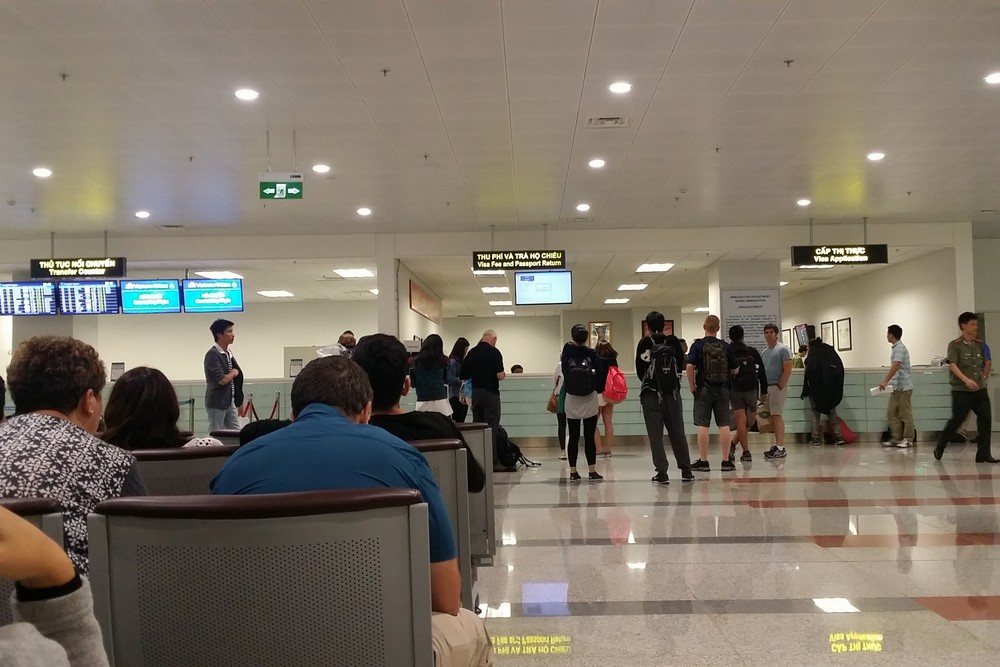
Navigating the application process efficiently requires attention to detail. Below is a breakdown of each stage, from form submission to potential interviews.
Completing the Online Application Form
The Israel Visa Application Form must be filled out in English or Hebrew. Double-check for errors, as discrepancies between your form and supporting documents can trigger rejections. Print and sign the completed form before submission.
Scheduling Biometrics and Interviews
While not all applicants need an interview, biometric data (fingerprints and photos) are often required. Book appointments early via the embassy’s online portal. During interviews, articulate your travel purpose clearly and bring original copies of all submitted documents.
Payment and Submission Protocols
Visa fees vary by type (e.g., $40–$150) and are non-refundable. Payment methods include bank transfers or in-person cash payments at designated centers. Submit your application package to the Israeli Embassy in Hanoi or via authorized visa agencies if residing outside the capital.
Required Documents: Assembling Your Visa Application Package
A well-organized dossier accelerates processing. Below are the essentials for most visa categories.
Proof of Accommodation and Travel Plans
Submit confirmed hotel reservations or a host’s invitation letter. For self-planned trips, include a day-by-day itinerary highlighting destinations like Jerusalem, Tel Aviv, or the Dead Sea.
Employment and Ties to Vietnam
A leave approval letter from your employer or proof of business ownership demonstrates strong ties to Vietnam, assuring officials of your return. Students should provide enrollment verification from their Vietnamese institution.
Additional Supporting Materials
For business visas, include conference invitations or partnership agreements. Students need acceptance letters from Israeli universities, while work visa applicants must present employment contracts approved by Israeli authorities.
Application Submission and Processing: Where to Apply and What to Expect
Understanding embassy protocols and processing timelines ensures a smooth experience.
Embassy vs. Third-Party Agencies
While direct submissions to the embassy are standard, accredited agencies can assist with logistics. Verify their legitimacy to avoid scams.
Tracking Your Application Status
Use the embassy’s online tracking system or contact their visa office for updates. Avoid frequent inquiries, as this may slow down processing.
Handling Delays and Rejections
If processing exceeds 30 days, inquire politely with the embassy. For rejections, review the reason provided and reapply after addressing the issue, such as submitting stronger financial proof or clarifying travel plans.
Tips for a Successful Application: Avoiding Common Pitfalls and Ensuring Approval
Maximize approval chances with these expert strategies.
Honesty and Consistency
Discrepancies between your application and documents are a leading cause of rejection. Ensure all details align, from employment dates to travel history.
Professional Presentation
Neatly organized documents with tabs or labels reflect positively on your application. Translate non-English materials through certified services.
Post-Submission Follow-Up
Send a polite email to confirm receipt if you don’t receive an acknowledgment within a week. Avoid overwhelming the embassy with daily calls.
Conclusion
Securing an Israel visa for Vietnamese citizens in 2025 demands meticulous preparation but is entirely achievable with the right guidance. By understanding eligibility criteria, compiling robust documentation, and adhering to embassy protocols, you can embark on your Israeli adventure with confidence. Start early, stay organized, and soon you’ll be exploring the wonders of Israel—from the ancient walls of Jerusalem to the vibrant shores of Tel Aviv. Safe travels!
`


